
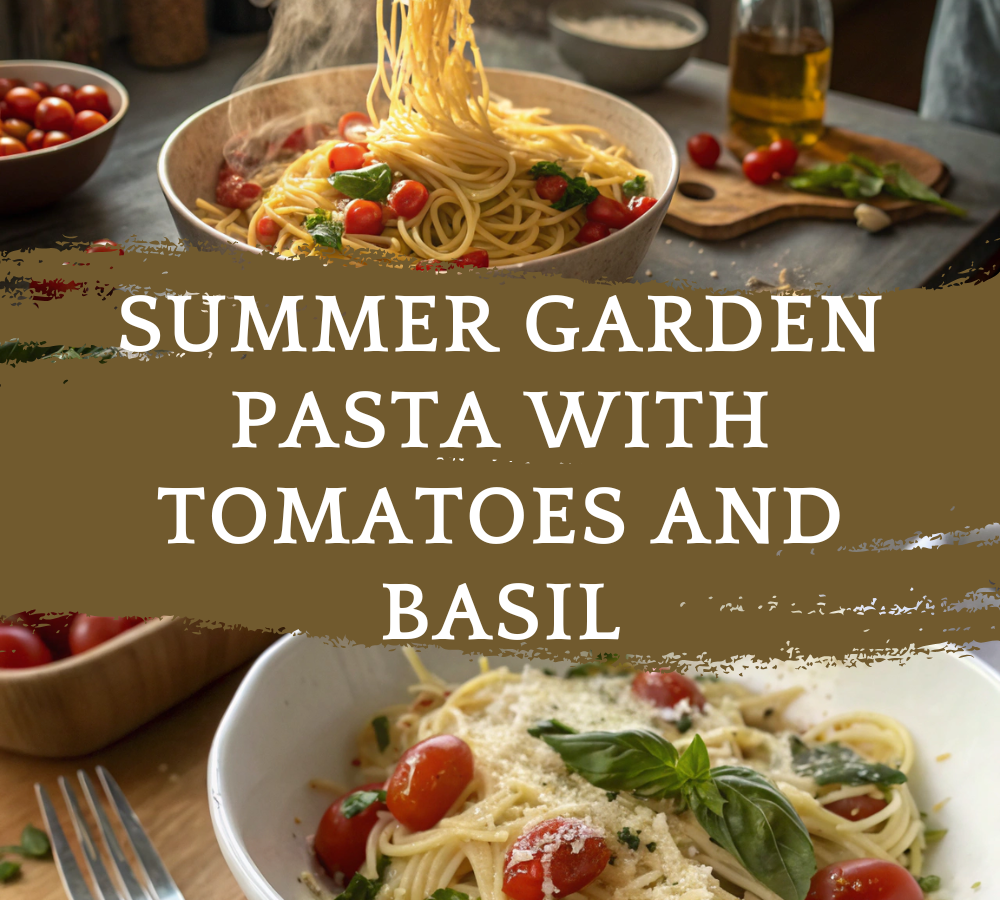
Summer Garden Pasta That Somehow Tastes Better Every Time I Make It
The first time I made this summer garden pasta, I honestly thought the recipe sounded way too simple to work. Raw tomatoes? No cooking the sauce? Leaving it on the counter for hours? I remember reading through it twice because I was convinced I missed a step somewhere.
But after one bite, I understood why people obsess over this style of pasta every summer. The tomatoes slowly soften, the garlic mellows out, the olive oil turns silky, and by the time the hot pasta gets tossed in, everything turns into this light fresh sauce that tastes like you spent way more effort on dinner than you actually did.
Now I make this every year the second tomatoes start looking decent at the grocery store.
Why This Recipe Works
Here’s the thing: this recipe only works if the tomatoes are good. That’s really the whole secret. Since the sauce isn’t cooked traditionally, the tomatoes need to bring actual flavor instead of watery sadness.
What I figured out after making it a bunch of times is that letting the tomato mixture sit long enough matters just as much as the ingredients themselves. The garlic softens, the juices release naturally, and everything sort of blends together into a sauce without needing heat.
The hot pasta does the rest of the work.
Ingredient Notes
Cherry tomatoes are my favorite for this because they’re usually sweeter and more reliable than larger tomatoes, especially outside peak summer months.
Fresh basil matters here. Dried basil just doesn’t work the same way. I tried it once during winter and immediately regretted it.
For the cheese, freshly grated Parmesan melts into the pasta much better than the pre-shredded container stuff. I keep the shelf-stable green can for garlic bread nights, not this recipe.
And use good olive oil if you can. Since the sauce is so simple, you can actually taste the difference.
How to Make It
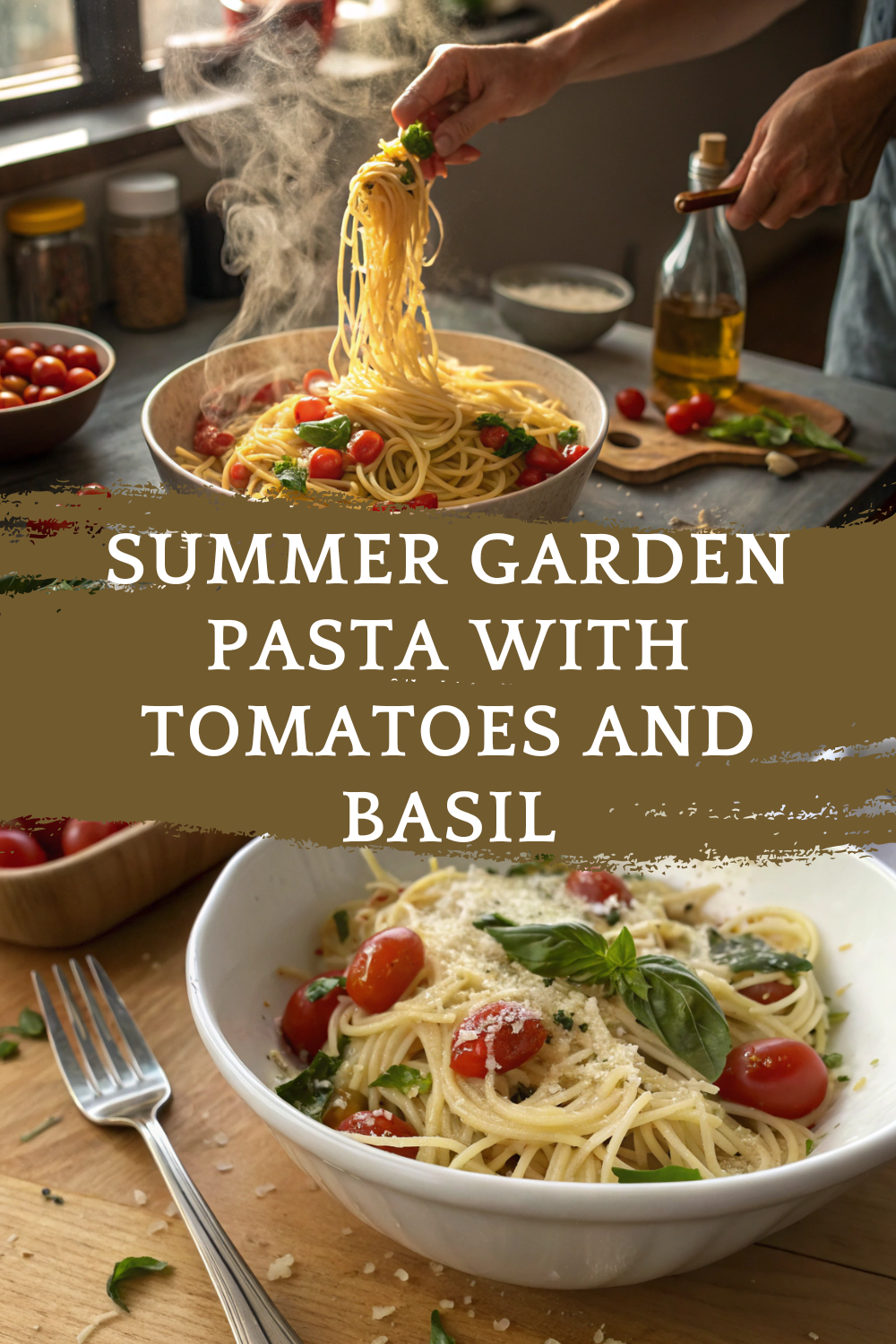
Start by cutting the tomatoes in half and tossing them into a large bowl with olive oil, minced garlic, basil, red pepper flakes, salt, black pepper, and a little extra Parmesan.
At first it just looks like a bowl of chopped tomatoes, and honestly, it’s hard to believe it’ll turn into a sauce. But let it sit at room temperature for a few hours. Don’t refrigerate it. The tomatoes slowly release juices and everything starts smelling incredibly fresh and garlicky.
About 20 minutes before you want to eat, cook the pasta in heavily salted water until just al dente. I usually use angel hair or spaghetti because lighter pasta works really well with the fresh sauce.
Before draining, save a little pasta water. I forget this constantly and regret it every time.
Add the hot pasta directly into the bowl of tomatoes and toss everything together immediately. The heat from the pasta softens the tomatoes slightly and helps the Parmesan melt into the olive oil and juices.
If the pasta looks dry, add a splash of pasta water until the sauce becomes glossy and coats everything evenly.
Top with more basil and Parmesan and serve right away while it’s still warm.
Things I Learned the Hard Way
Don’t use cold tomatoes straight from the fridge. The sauce tastes way better when the tomatoes sit at room temperature.
I also learned not to cut the basil too early. If it sits for hours before mixing in, it can darken and lose some freshness.
And salt the pasta water properly. Since the sauce is fresh and light, under-seasoned pasta stands out immediately.
One more thing: this recipe disappears fast. Every single time I make it, somebody goes back for another bowl before I’ve even sat down.
Storage & Serving Suggestions
This pasta is definitely best the day you make it, especially while the tomatoes still taste fresh and bright.
If you do have leftovers, store them in the fridge for up to 2 days and let the pasta sit out for a bit before reheating gently. We usually serve this with grilled chicken, garlic bread, or a simple salad on really hot nights.